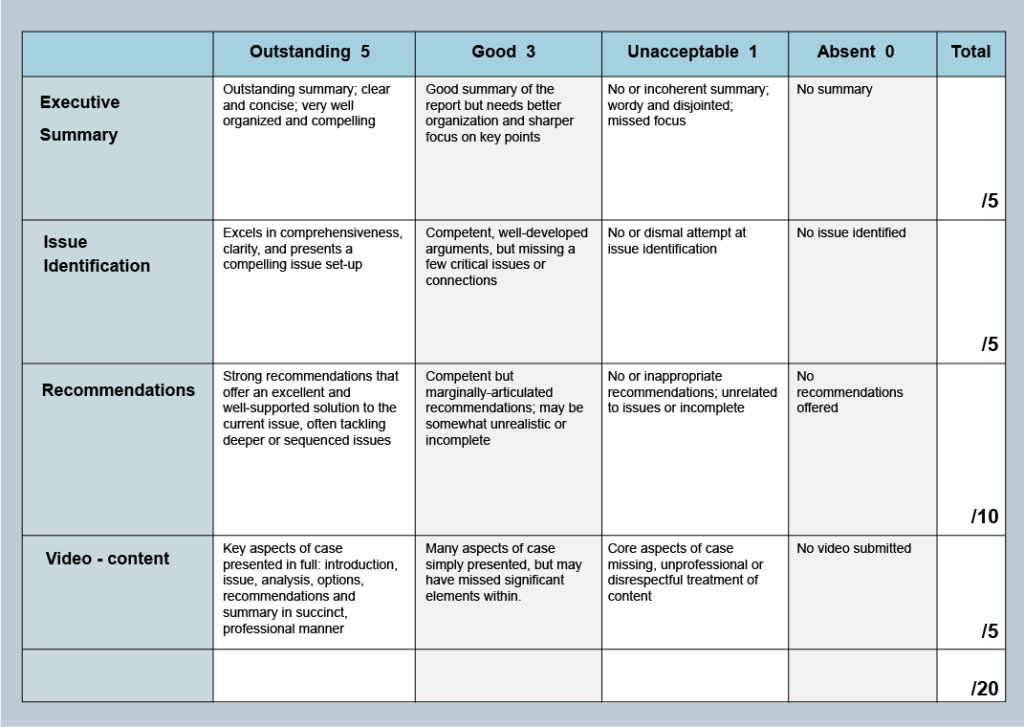
Here's a more detailed explanation:
- Purpose:
Rubrics help instructors communicate expectations to students and provide a structured framework for evaluating work, leading to more consistent and objective grading. - Structure:
Rubrics typically present criteria (what is being assessed) and performance levels (how well the criteria are met) in a matrix or grid format. - Benefits:
- For students: Rubrics provide clarity about expectations, allowing students to understand what they need to do to succeed and to self-assess their work.
- For instructors: Rubrics promote consistency in grading, save time, and facilitate feedback by highlighting strengths and areas for improvement.
- Types:
- Holistic: Evaluates the overall quality of the work against a single rubric.
- Analytic: Evaluates different aspects of the work separately, providing more detailed feedback.
- Uses:
Rubrics can be used for various assignments, including essays, presentations, projects, and more. - Examples:
A rubric for a writing assignment might include criteria like "organization," "content," and "grammar," with performance levels ranging from "exceeds expectations" to "needs improvement".